Debunking the Top 5 Misconceptions About Meal Prep for a Stress-Free Week

The biggest misconception about meal prep is that it has to be a five-hour marathon every week. In reality, even planning what’s for dinner tomorrow or keeping simple, ready-to-use staples like pasta and marinara on hand counts as meal prep. Finding a system that works for you can feel intimidating, but it’s far less complicated than it seems. When my clients realize meal prep doesn’t have to be perfect, Instagram-ready, or consume their entire Sunday, their mindset shifts. They start taking small, consistent steps that lead to big changes over time. Meal prep shouldn’t steal your week — it should take a small, intentional chunk of time to help you plan and shop smarter. The result? My clients save money, save time, and feel far less stressed during the week.
Let’s explore the top five misconceptions about meal prep that often hold families back from enjoying its benefits.
Misconception 1: Meal Prep Takes Hours Every Week
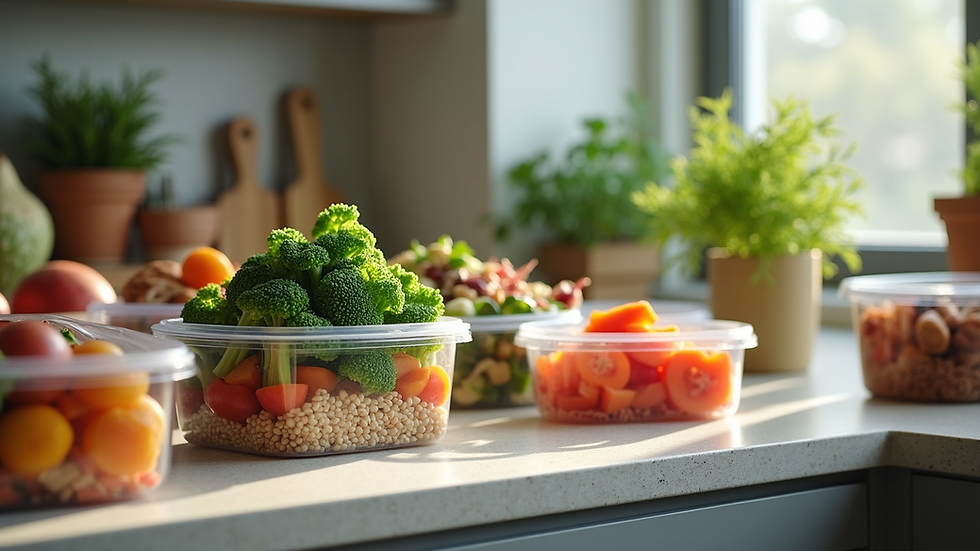
Many people believe meal prep means spending half a day cooking and chopping. This idea can feel overwhelming, especially for busy parents or single moms juggling work and family. The truth is, meal prep can be as simple as chopping vegetables for a few meals or cooking a batch of rice to use throughout the week.
Try this: Set a timer for 30 minutes and focus on prepping one or two ingredients. For example, roast a tray of mixed vegetables or cook a pot of beans. These staples can be mixed and matched with proteins or sauces for quick dinners.
Small, consistent efforts add up. You don’t need to cook every meal in advance. Even prepping parts of meals saves time and reduces stress during busy evenings.
Misconception 2: Meal Prep Means Eating the Same Thing Every Day
Some people avoid meal prep because they think it leads to boring, repetitive meals. While batch cooking can involve making large portions, it doesn’t mean you have to eat the exact same dish every day.
You can prepare versatile ingredients that work in multiple recipes. For example, grilled chicken can become a salad topping, a sandwich filling, or part of a stir-fry. Cooked grains like quinoa or brown rice can be the base for bowls, soups, or side dishes.
Budget meals don’t have to be dull. Using different spices, sauces, and fresh herbs can transform the same ingredients into new flavors throughout the week.
Misconception 3: Meal Prep Is Expensive
Many families worry that meal prep requires buying special ingredients or expensive containers. In fact, meal prep can help you stick to a budget by reducing food waste and avoiding last-minute takeout.
Planning meals ahead lets you buy in bulk and take advantage of sales. Preparing meals at home is almost always cheaper than eating out or ordering delivery.
Easy meal prep ideas like soups, stews, and casseroles use affordable ingredients and stretch across multiple meals. For example, a big pot of chili can feed a family for several days and freeze well for later.
Misconception 4: Meal Prep Requires Fancy Equipment or Containers
You don’t need special gadgets or expensive containers to get started with meal prep. Many people think they must have airtight glass containers, slow cookers, or instant pots to succeed.
In reality, simple plastic containers, reusable bags, or even just bowls and plates work fine. The key is to find what fits your lifestyle and kitchen space.
If you’re short on time, one-pot meals or sheet pan dinners can reduce cleanup and prep time. You can also use freezer bags to portion out ingredients or meals for easy storage.
Misconception 5: Meal Prep Is Only for Healthy or Diet Food
Meal prep is often linked to strict diets or clean eating, which can make it seem intimidating or restrictive. But meal prep is about convenience and planning, not perfection.
You can prep any kind of food your family enjoys, from comfort meals to international dishes. The goal is to reduce daily cooking stress and have meals ready when you need them.
For example, preparing homemade pizza dough or taco fillings ahead of time can make family favorites quicker to assemble on busy nights.
Meal Prep Strategies for Busy Lives
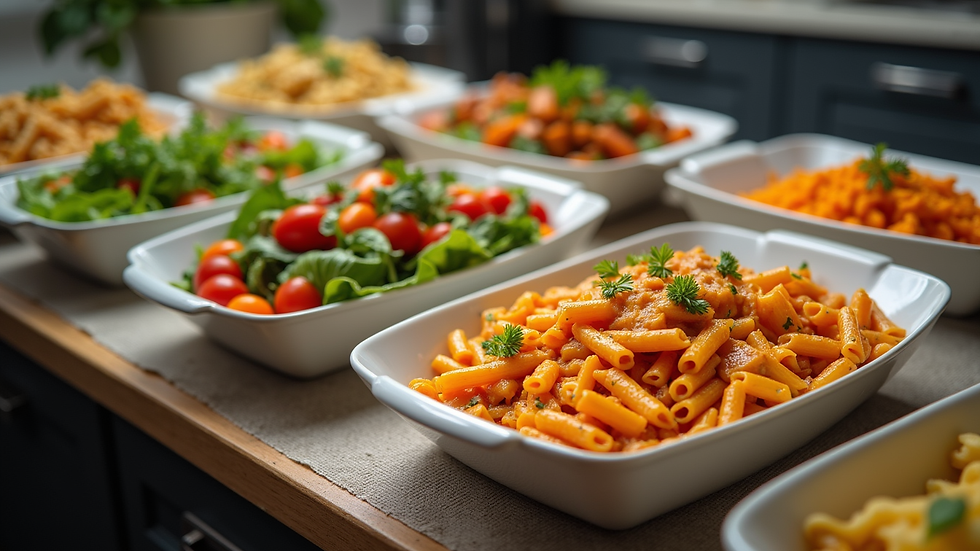
Meal prep doesn’t have to be a daunting task or a time-consuming chore. It’s about finding a simple, flexible system that fits your family’s needs and schedule. By breaking down these common misconceptions, I hope you feel more confident to start or improve your meal prep routine.
Start Small and Build Up
Start small, focus on easy meal prep steps, and remember that even partial prep counts. Over time, you’ll save money, reduce stress, and enjoy more time with your family during the week.
Plan Ahead for Success
Try planning one meal or prepping one ingredient this week. You might be surprised how much easier your week feels with just a little preparation.
Explore New Recipes
Want more? I’ve tackled these common misconceptions and included 30 of my favorite meal prep recipes in my Meal Prep for Beginners Guide! This digital guide is packed with strategies and recipes for efficient weekly meal prep, all designed to encourage healthy eating habits without taking more than 2 hours a week.
Meal prep is your ally! Embrace it, and let it work for you!



Comments