Unlocking the Power of Protein: Essential Strategies for Stress-Free Daily Intake

Getting enough protein every day is a key part of staying healthy, building muscle, and feeling energized. But many people worry about tracking every bite or counting grams constantly. The good news is that with the right planning, you can meet your protein needs without stress or daily tracking. This post will explain why protein matters, how to plan your meals smartly, and how to enjoy a balanced diet without feeling overwhelmed.
If you want a simple start, check out my free mini guide Protein Made Simple to get clear, easy tips. For a deeper dive, my full guide is available in the shop, packed with meal plans, recipes, and strategies to make protein a natural part of your routine.
Why Protein Matters Every Day
Protein is essential for many body functions. It helps repair tissues, supports immune health, and keeps your muscles strong. Unlike fats and carbs, protein provides amino acids that your body cannot store, so you need a steady supply daily.
Here’s what protein does for you:
Builds and repairs muscles and tissues
Supports enzymes and hormones
Keeps you full longer, helping with weight management
Supports healthy skin, hair, and nails
Research shows adults should aim for at least 0.7 grams of protein per pound of body weight daily, but active people or those building muscle may need more. For example, a 150lb person might target around 110 grams, while someone lifting weights 3-4 days a week might aim for 120-140 grams.
Planning Protein Without Daily Tracking
Tracking every gram of protein can feel like a chore. Instead, focus on planning meals that naturally include good protein sources. This way, you build habits that meet your needs without constant counting.
Steps to Stress-Free Protein Planning
Know Your Protein Sources
Include a variety of proteins like chicken, fish, eggs, dairy, beans, lentils, tofu, and nuts. Each meal should have at least one protein source.
Divide Protein Across Meals
Aim to spread your protein intake evenly. For example, if you need 90 grams daily, try 30 grams at breakfast, lunch, and dinner.
3 ounces (85g) of cooked chicken = about 25 grams protein
1 cup cooked lentils = about 18 grams protein
1 large egg = about 6 grams protein
Use Simple Portions
Learn common portion sizes:

Most common High-Protein portion sizes Prepare Protein-Rich Snacks
Keep snacks like Greek yogurt, cheese sticks, or nuts handy to boost intake between meals.
Batch Cook and Plan Ahead
Cooking in bulk saves time and ensures you have protein ready for meals. For example, roast a batch of chicken breasts or cook a large pot of beans.
By following these steps, you can relax knowing your meals cover your protein needs without daily tracking.

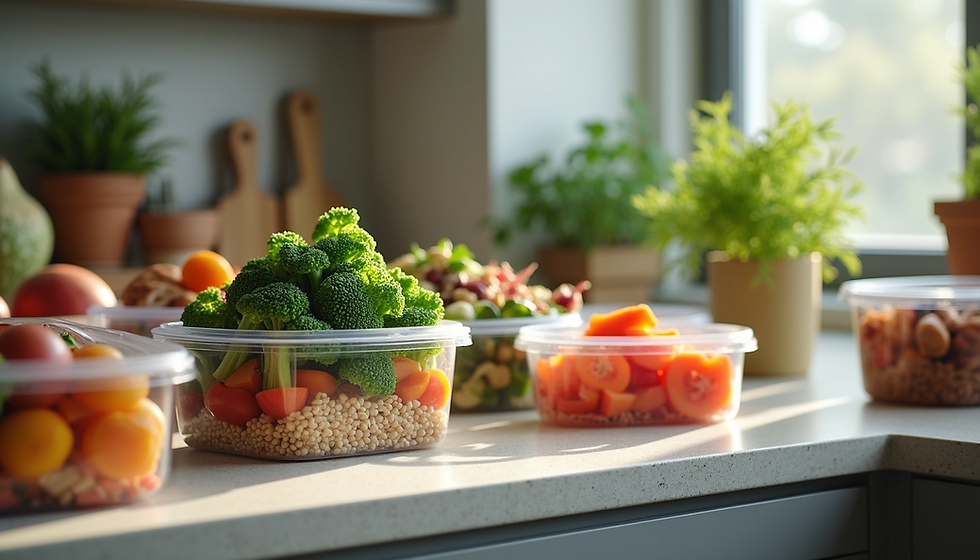
Balanced meals with protein, grains, and vegetables make daily intake easier.
Examples of Protein-Rich Meals
Here are some practical meal ideas that naturally include enough protein:
Breakfast: Greek yogurt with berries and a sprinkle of nuts (20-25g protein)
Lunch: Grilled chicken salad with mixed greens and quinoa (30-35g protein)
Dinner: Baked salmon with roasted sweet potatoes and broccoli (35-40g protein)
Snack: Cottage cheese with sliced cucumber or a handful of almonds (10-15g protein)
These meals are simple to prepare and cover your protein needs without complicated tracking.
How to Use the Free Mini Guide and Full Guide
My free mini guide, Protein Made Simple, offers quick tips and easy swaps to boost your protein intake. It’s perfect if you want to start small and build confidence.
For those ready to take the next step, the full guide available in my shop includes:
Detailed meal plans for different protein needs
Recipes designed for taste and nutrition
Meal prep habits and tips
Strategies to balance protein with carbs and fats
Both guides focus on making protein intake manageable and enjoyable.
Final Thoughts on Protein Planning
Getting enough protein daily doesn’t have to be stressful or complicated. With a few planning steps and simple meal ideas, you can meet your needs naturally. This approach frees you from constant tracking and lets you focus on enjoying your food and feeling your best.

Comments