Essential Pantry Staples for Effortless Healthy Meal Prep and Planning

Meal prep and planning healthy meals can feel overwhelming without the right ingredients on hand. Having a well-stocked pantry simplifies cooking, saves time, and supports nutritious eating habits. This guide covers essential pantry staples that make preparing wholesome meals easier and more enjoyable.

Whole Grains for Energy and Fiber
Whole grains provide sustained energy and fiber, which supports digestion and fullness. Keeping a variety of whole grains in your pantry allows you to create diverse meals quickly.
Brown rice: A versatile base for stir-fries, bowls, and salads. Ready to cook pouches are my personal go-to when stocking my pantry.
Quinoa: High in protein and cooks quickly, perfect for salads or side dishes.
Oats: Great for breakfast or baking, oats offer heart-healthy benefits. Opt for old-fashioned or steel-cut oats to maximize nutritional benefits!
Whole wheat and protein pasta: A healthier alternative to refined pasta, adding fiber to your meals.

I absolutely LOVE using Brami Protein Pasta as a low-carb alternative. Brami is rich in protein and fiber, and unlike other "alternative" pastas, it genuinely tastes like pasta!
Barley and bulgur: Ideal for soups and grain salads, adding texture and nutrients.
Having these grains on hand means you can whip up a nutritious meal without last-minute grocery trips.
Canned and Dried Legumes for Protein and Fiber
Legumes are a pantry powerhouse, providing plant-based protein, fiber, and essential nutrients. They are budget-friendly and have a long shelf life.
Canned beans: Black beans, chickpeas, kidney beans, and cannellini beans are staples for salads, stews, and dips.
Lentils: Cook quickly and work well in soups, curries, and veggie burgers.
Split peas: Great for hearty soups and purees.
Dried beans and peas: Though they require soaking and longer cooking, they are economical and nutritious.
Legumes help you create filling meals that support muscle health and digestive wellness.
Healthy Cooking Oils and Vinegars
Choosing the right oils and vinegars enhances flavor and nutrition in your cooking.
Extra virgin olive oil: Rich in heart-healthy fats, perfect for dressings, sautéing, and roasting.
Avocado oil: Has a high smoke point, ideal for frying and grilling.
Coconut oil: Adds a subtle flavor and works well in baking and some cooking styles.
Apple cider vinegar: Useful for dressings and marinades, with potential digestive benefits.
Balsamic vinegar: Adds sweetness and depth to salads and cooked dishes.
Stocking these oils and vinegars allows you to prepare a variety of healthy meals with balanced fats and vibrant flavors.
Nuts, Seeds, and Nut Butters for Healthy Fats and Protein

Nuts and seeds are nutrient-dense and add texture and flavor to meals and snacks.
Almonds, walnuts, and cashews: Great for snacking or adding crunch to salads and oatmeal.
Chia seeds and flaxseeds: Provide omega-3 fatty acids and fiber; sprinkle on yogurt or blend into smoothies.
Peanut butter and almond butter: Convenient sources of protein and healthy fats for quick snacks or sauces.
These staples support brain health and keep you feeling satisfied between meals.
Herbs, Spices, and Flavor Enhancers
A well-stocked spice rack transforms simple ingredients into delicious meals without extra calories.
Dried herbs: Basil, oregano, thyme, rosemary, and bay leaves add aroma and depth.
Spices: Cumin, paprika, turmeric, cinnamon, and chili powder bring warmth and complexity.
Garlic and onion powder: Convenient for quick seasoning.
Salt and pepper: Essential for balancing flavors.
Low-sodium soy sauce or tamari: Enhances umami flavor in dishes without adding too much sodium.
Using these flavor enhancers encourages cooking at home and reduces reliance on processed foods.
Shelf-Stable Vegetables and Broths
Having shelf-stable vegetables and broths on hand helps you build meals quickly.
Canned tomatoes: A base for sauces, soups, and stews.
Jarred roasted red peppers or artichokes: Add flavor and texture to salads and pasta.
Shelf-stable vegetable or chicken broth: Essential for soups, grains, and cooking vegetables.
These items provide convenience without sacrificing nutrition.
Frozen Staples for Freshness and Convenience
Though not strictly pantry items, frozen foods complement your pantry and extend your options.
Frozen vegetables: Peas, spinach, broccoli, and mixed veggies retain nutrients and cook quickly.
Frozen fruits: Perfect for smoothies, desserts, or oatmeal toppings.
Freezing preserves freshness and reduces food waste, supporting healthy eating year-round.
Planning Your Pantry for Success

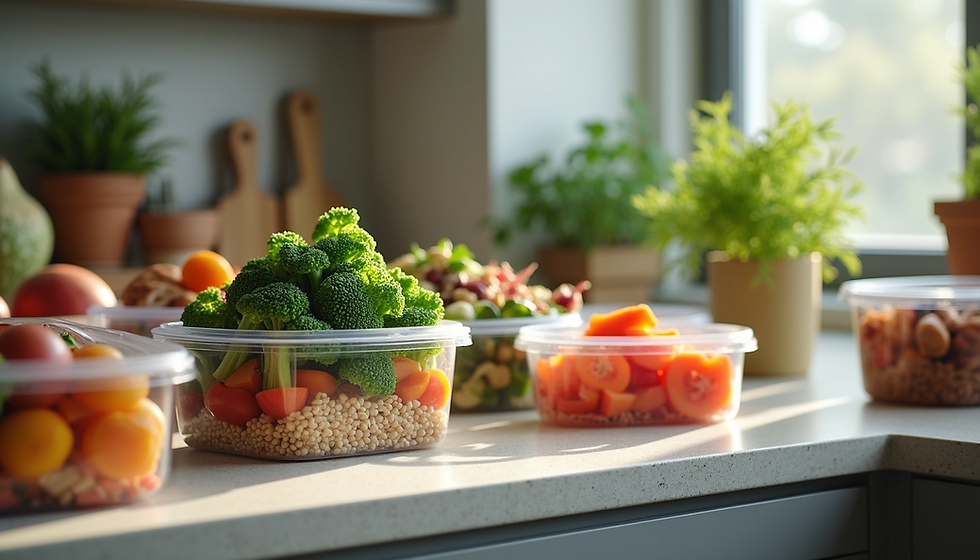
To make meal prep easier, organize your pantry so staples are visible and accessible. Use clear containers for grains and legumes to monitor supply. I use these airtight containers from Chefstory: https://amzn.to/4th9Azn (affiliate link)
Rotate items to use older products first and keep a shopping list handy for restocking.
Try to buy staples in bulk, when possible, to save money and reduce packaging waste. Canned items are my favorite to stock up on, especially black beans, canned tomatoes, and sauces.
Be sure to take into account your dietary preferences and cooking habits when choosing items, so your pantry aligns with your lifestyle. Opting for staples you will genuinely use and enjoy is crucial for sustaining healthy meal habits!
Sample Pantry-Based Meal Ideas
Quinoa salad with chickpeas, roasted red peppers, and a lemon-olive oil dressing
Brown rice stir-fry with frozen mixed vegetables, tofu, and soy sauce
Lentil soup with canned tomatoes, carrots, and herbs
Oatmeal topped with almond butter, chia seeds, and frozen berries
Whole wheat pasta with a tomato and basil sauce, sprinkled with walnuts
These meals demonstrate how pantry staples can be transformed into balanced and flavorful dishes. You can discover these recipes, along with 30 additional ones, in my Meal Prep for Beginners Guide, which includes detailed steps to start your meal prepping journey!
**this article contains affiliate links to some of my favorite products I personally use to stock my own pantry.


Comments